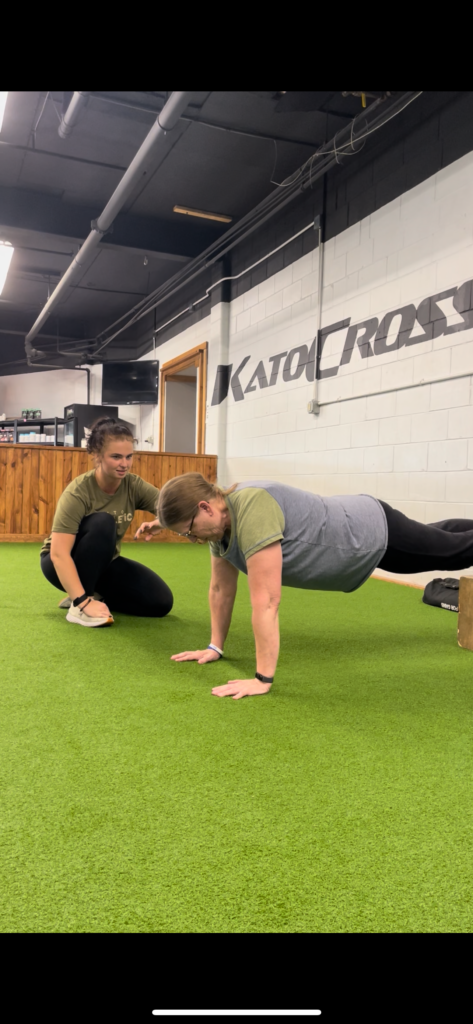
Longevity Gyms Near Me: How to Train for Longevity — 5 Moves to Keep You Moving in Your 40s, 50s and Beyond
If you’ve been searching for longevity gyms near me, you probably aren’t just trying to look better — you’re trying to stay capable. The goal shifts as we get older. Instead of only focusing on aesthetics, training becomes about protecting joints, maintaining muscle, improving balance, and staying independent.
At Kato Athletic in Mankato, we see more people in their 40s, 50s, and 60s realizing fitness isn’t about punishment workouts. It’s about building a body that still works 20–30 years from now.
Longevity training is different from typical gym routines. You don’t need extreme workouts — you need consistent, intelligent training that strengthens muscles while protecting your joints and nervous system.
Why Longevity Training Matters After 40
Beginning around age 30, adults naturally lose muscle mass each decade if they don’t strength train. That muscle loss affects more than appearance. It influences:
- Balance and fall risk
- Bone density
- Metabolism
- Joint stability
- Energy levels
Strength training is one of the most effective ways to slow these changes. The CDC also recommends adults perform muscle-strengthening activities at least twice per week because it helps maintain function and independence as people age https://www.cdc.gov/physicalactivity/basics/adults/index.htm).
A true longevity gym near you should focus on sustainability workouts you can still perform years from now.
What Makes a Longevity Gym Different?
Not every facility supports long-term health. Many gyms prioritize intensity, volume, or trends instead of durability.
A longevity-focused facility emphasizes:
- Proper technique
- Progressive strength training
- Joint stability
- Mobility
- Recovery
- Coaching and supervision
At Kato Athletic, workouts are designed so members can train hard without beating up their joints, which is the biggest reason adults quit exercising later in life.
The 5 Most Important Longevity Exercises
You don’t need dozens of movements. You need a few highly effective ones done correctly and consistently.
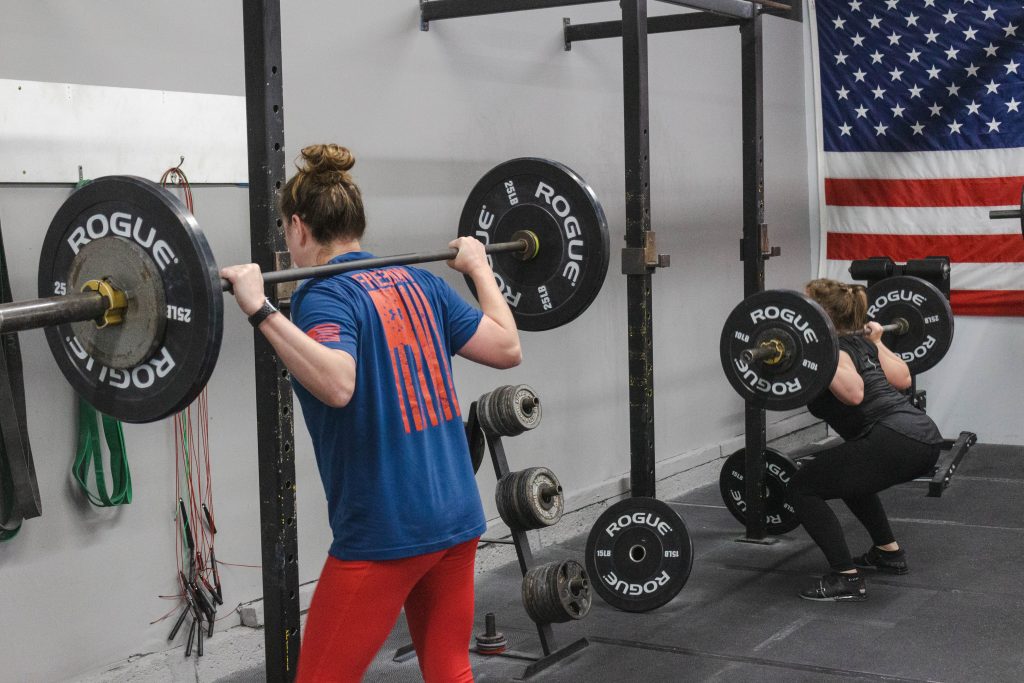
1. Squats (Sit-to-Stand Strength)
Squats train the same muscles you use every day getting out of a chair, a car, or off the floor. Maintaining this movement is strongly tied to independence as you age.
Start with:
- Box squats
- Goblet squats
- Controlled bodyweight squats
2. Deadlifts (Protecting Your Back)
Deadlifts teach your body how to lift objects safely. Groceries, laundry baskets, yard work — this is real-life strength.
Benefits:
- Strengthens hips and posterior chain
- Protects the lower back
- Improves posture
Most people actually hurt their back because they don’t train this movement, not because they do.
3. Rows (Posture & Shoulder Health)
As people age, posture typically shifts forward. Rows strengthen the upper back and help prevent shoulder pain and neck tension.
They help:
- Reduce shoulder injuries
- Improve posture
- Maintain upper-body strength
4. Loaded Carries (Real-World Strength)
One of the most underrated longevity exercises is simply carrying weight.
Farmer carries improve:
- Grip strength
- Core stability
- Balance
- Walking stability
Grip strength is even associated with overall health and function later in life.
5. Step-Ups (Balance & Fall Prevention)
Step-ups train balance and coordination — two abilities that decline quickly without practice.
They mimic real life:
- Stairs
- Curbs
- Uneven ground
Maintaining balance is critical for avoiding injuries as we age.
Consistency Beats Intensity
The biggest mistake adults make when starting again is trying to train like they did in their 20s. Longevity training focuses on:
- Moderate weights
- Good technique
- Gradual progression
- Repeatability
You should finish workouts feeling better, not destroyed.
That’s why many people searching for longevity gyms near me in Mankato end up looking for coaching instead of just equipment. Guidance prevents overtraining and injuries — the main reason most routines fail.
How Often Should You Train?
For longevity, the ideal schedule is:
3–4 days per week of strength training
plus
daily movement (walking, mobility, or light activity)
You don’t need 2-hour workouts. Most effective sessions take 45–60 minutes.
Training for the Future, Not Just Today
The goal of fitness changes over time. In your 20s you train for performance. In your 30s you train for progress. After 40, you train for quality of life.
A good program helps you:
- Pick things up without pain
- Play with kids or grandkids
- Maintain independence
- Avoid chronic injuries
- Stay active long-term
If you’re in southern Minnesota and have been searching for longevity gyms near me, Kato Athletic is built around practical strength training designed to keep members moving for decades.
You can learn more on our membership page (internal link) or reach out through our contact page https://katoathletic.com/ to schedule a visit.
Start Training for Longevity Today
You don’t need extreme workouts or complicated programs. You need a smart plan, coaching, and consistency.
Training for longevity means investing in your future self. The strength you build now determines how you move, feel, and live years from today.
If your goal is staying active — not just temporarily fit — the right environment makes all the difference.